Case Studies
Case Study: Urban Intersection Safety Upgrade Program
Overview & Abstract
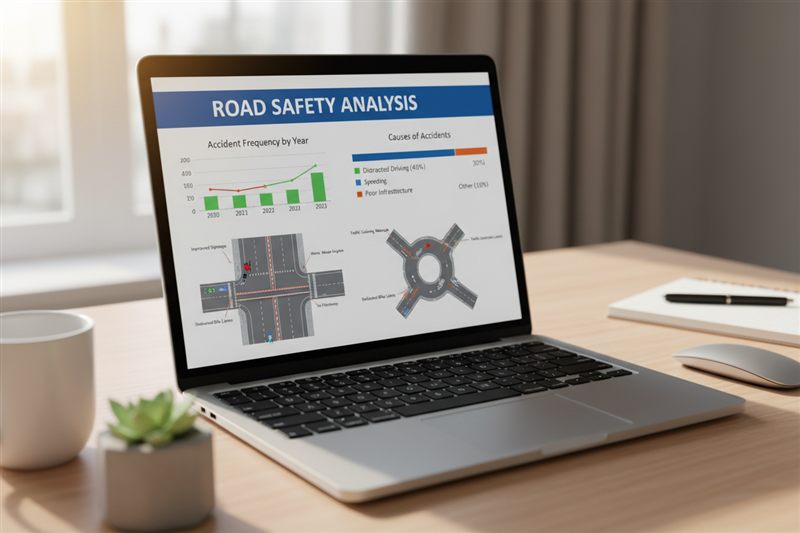
This case study evaluates a metropolitan program that systematically upgraded high-risk urban intersections to reduce intersection crashes — the largest single crash category in built-up areas. Treatments included fully controlled right-turn phasing, raised safer-speed platforms through pedestrian-priority intersections, improved sightlines and signal visibility, and conflict-reducing geometry, each selected from the intersection crash profile at the site.
The program used network screening to rank intersections by crash risk and expected treatment return, then delivered a rolling capital pipeline of upgrades on main streets and arterial junctions. Before-and-after evaluation tracked crash frequency and severity across vehicle occupants, pedestrians and cyclists, and recorded strong reductions in serious-injury intersection crashes at treated sites with benefit-cost ratios supporting continued investment. The case study draws out lessons on prioritisation, treatment selection by crash type, and integrating intersection upgrades with the broader Safe System program.